
How to Prevent Hair Damage From Daily Sports Training
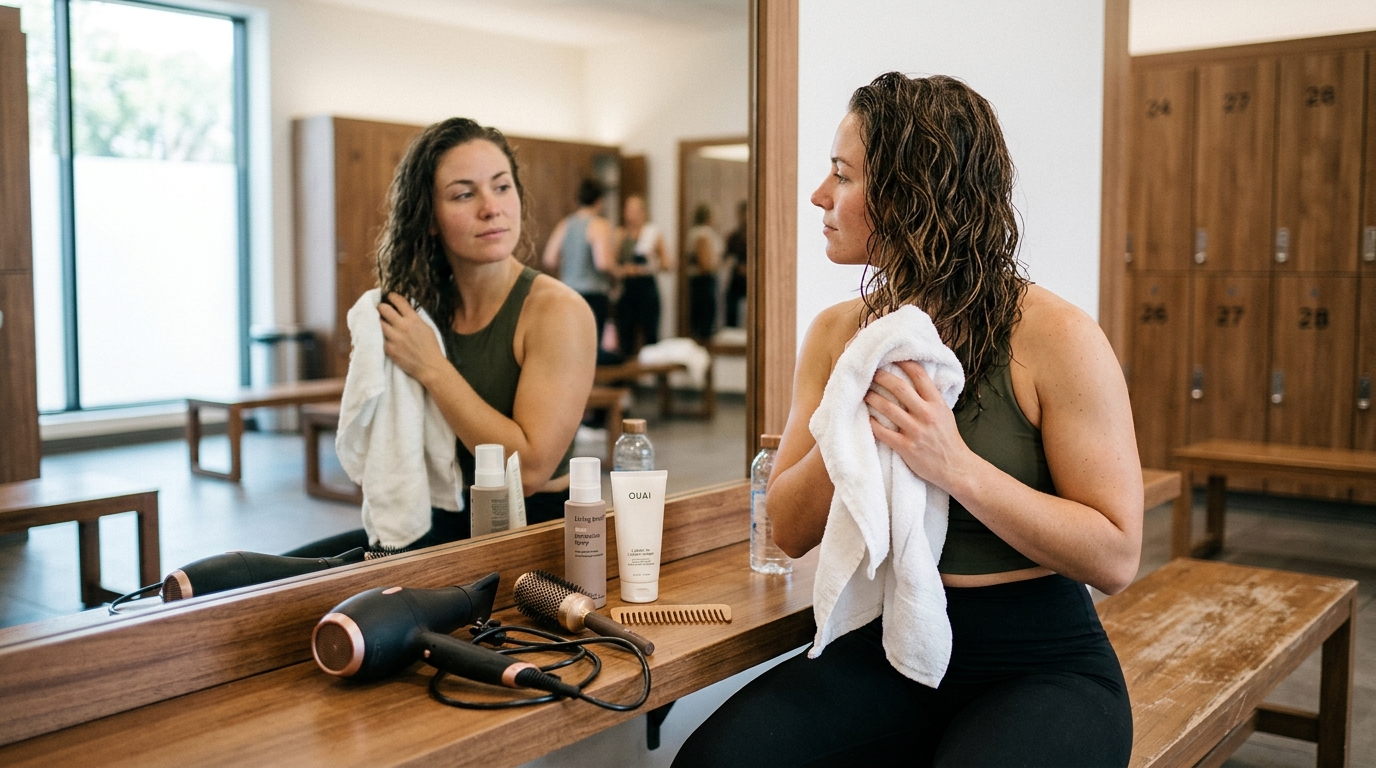
Staying active through sports and regular training has countless benefits for your body, confidence, and overall health. However, athletes often notice that their hair does not always feel as healthy as the rest of their body.
Daily workouts, sweating, outdoor exposure, frequent showers, tight hairstyles, and sports equipment can slowly affect hair strength and appearance. Many athletes deal with dryness, frizz, breakage, or an irritated scalp without realizing that their training routine may be contributing to these problems.
The good news is that you do not need to choose between healthy hair and an active lifestyle. With a few simple habits and the right hair care routine, you can protect your hair while continuing to train every day.
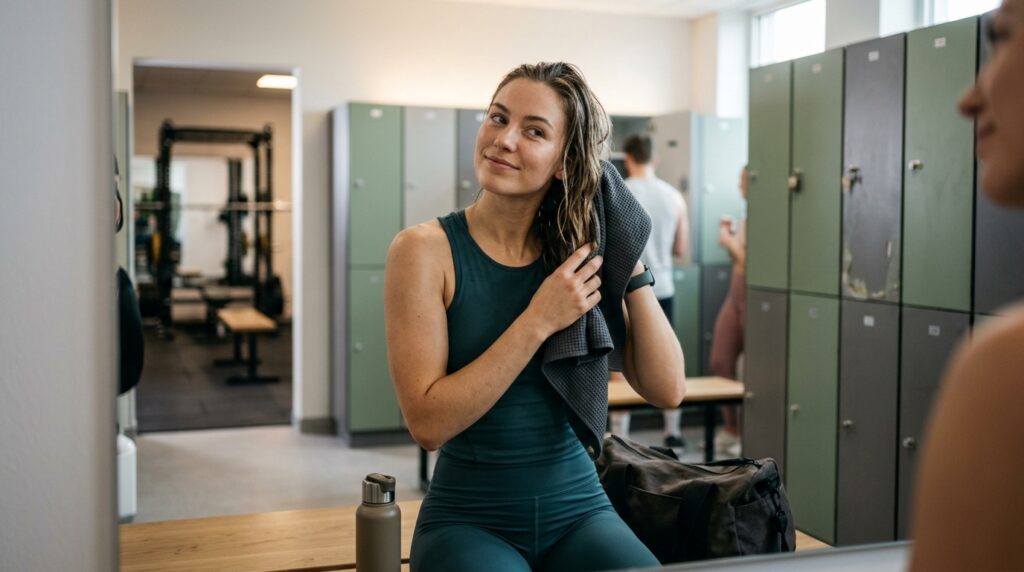
This guide explains how athletes can prevent hair damage caused by daily sports activities and maintain strong, healthy-looking hair.
Why Daily Sports Training Can Affect Hair Health
Exercise itself is not harmful to your hair. In fact, regular physical activity improves blood circulation, which supports a healthy scalp. The problem usually comes from the conditions surrounding training.
Some common reasons athletes experience hair problems include:
Sweat and Scalp Build-Up
During intense workouts, your scalp produces sweat to regulate body temperature. Sweat contains salt, which can remain on your scalp after training.

If sweat is not removed properly, it may contribute to:
- Dry and rough hair texture
- Scalp discomfort
- Product build-up
- Increased tangling
This does not mean you need to wash your hair aggressively after every workout. A gentle routine is usually enough.
Frequent Hair Washing
Many athletes wash their hair every day because of sweat and training schedules. While keeping your scalp clean is important, using strong shampoos too often can remove natural oils.
These natural oils help protect your hair by keeping it:
- Soft
- Flexible
- Hydrated
- Less prone to breakage
Choosing gentle hair products and avoiding unnecessary washing can help maintain your hair’s natural balance.

Tight Hairstyles During Training
Athletes often tie their hair tightly to keep it secure during movement. While practical, wearing the same tight hairstyle every day can put stress on your hair roots.
Repeated tension may lead to:
- Hair breakage
- Weak strands around the hairline
- Increased shedding
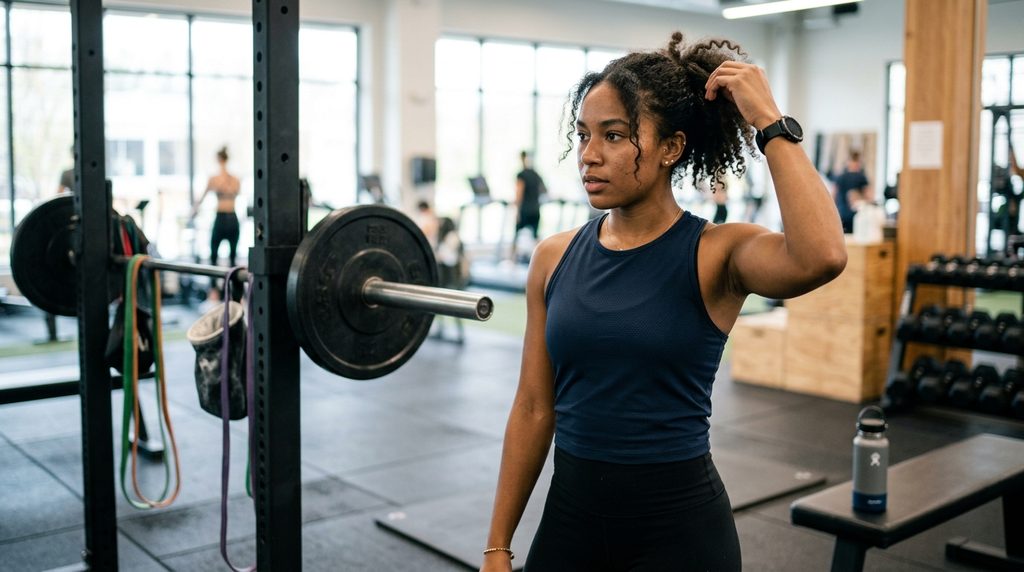
A comfortable hairstyle that keeps hair controlled without pulling too much is a better choice for daily training.
1. Protect Your Hair Before Starting Training
Hair protection should begin before your workout, not after damage appears.
Before training, consider these simple steps:
Use a Lightweight Leave-In Product
A leave-in conditioner or lightweight serum can help protect hair from dryness caused by sweat and environmental exposure.
Avoid using heavy products before workouts because they can mix with sweat and create buildup.
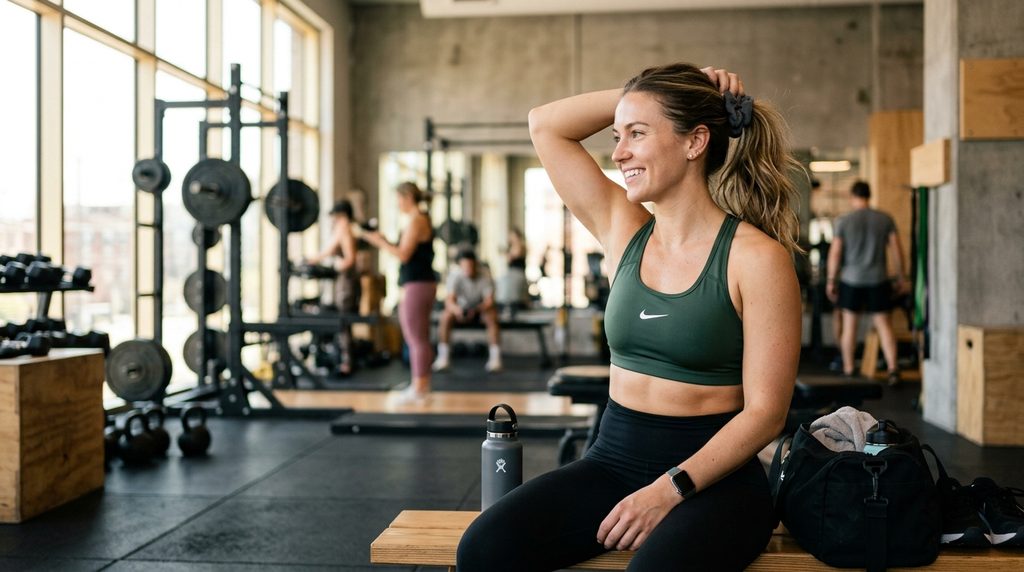
Tie Hair Gently
Choose hair accessories that hold your hair securely without pulling.
Better options include:
- Soft scrunchies
- Fabric hair ties
- Loose braids
Avoid very tight elastic bands that can weaken hair over time.
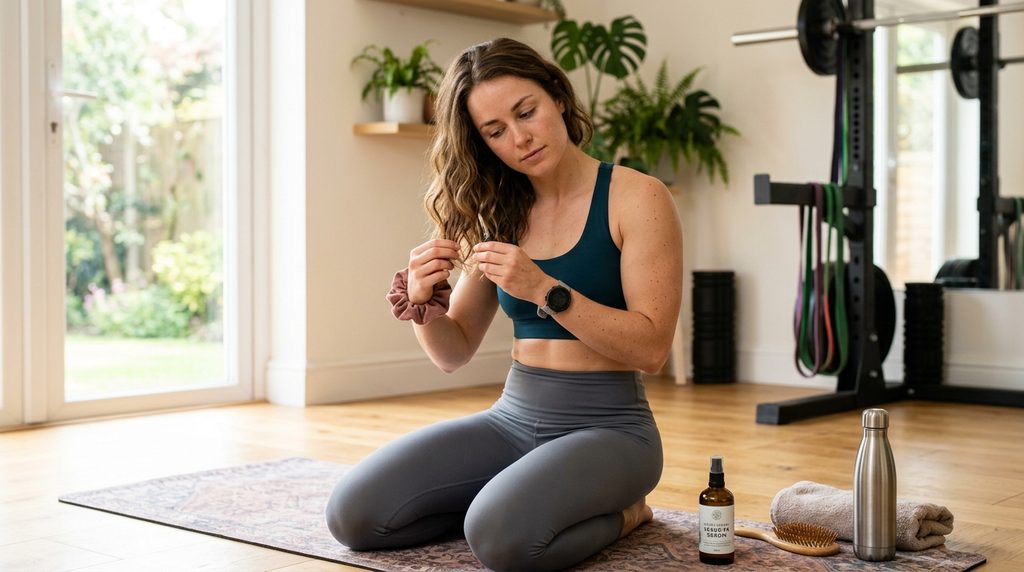
2. Choose Hairstyles That Reduce Hair Stress
The right hairstyle can make a major difference for athletes.
Better Training Hairstyles Include:
- Loose ponytails
- Low buns
- Simple braids
- Protective styles
Try not to place constant pressure on the same area of your scalp every day.
Changing your hairstyle regularly can reduce repeated stress on your hair.
3. Follow a Smart Post-Workout Hair Routine
After training, your hair needs gentle care.
A good post-workout routine includes:
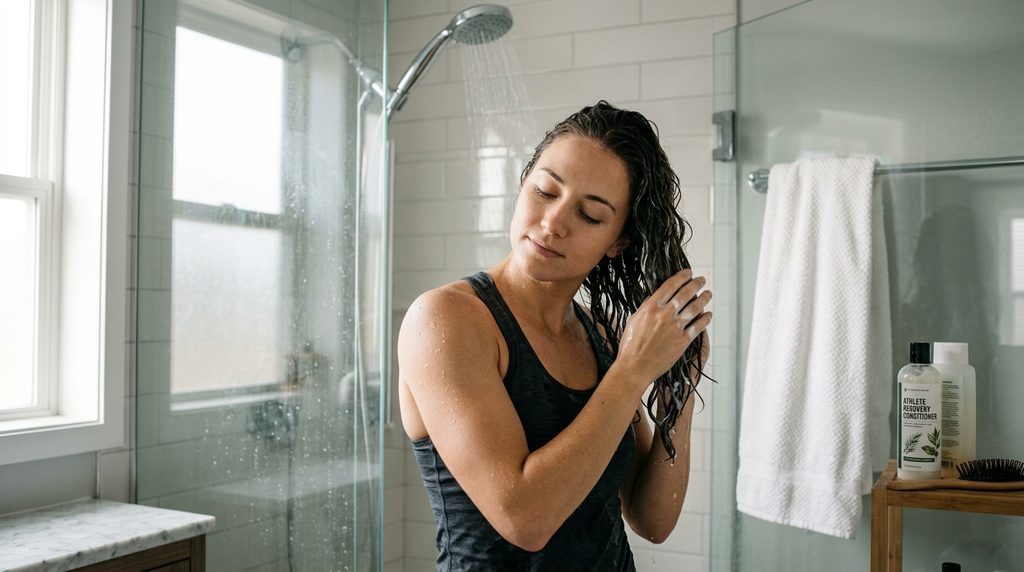
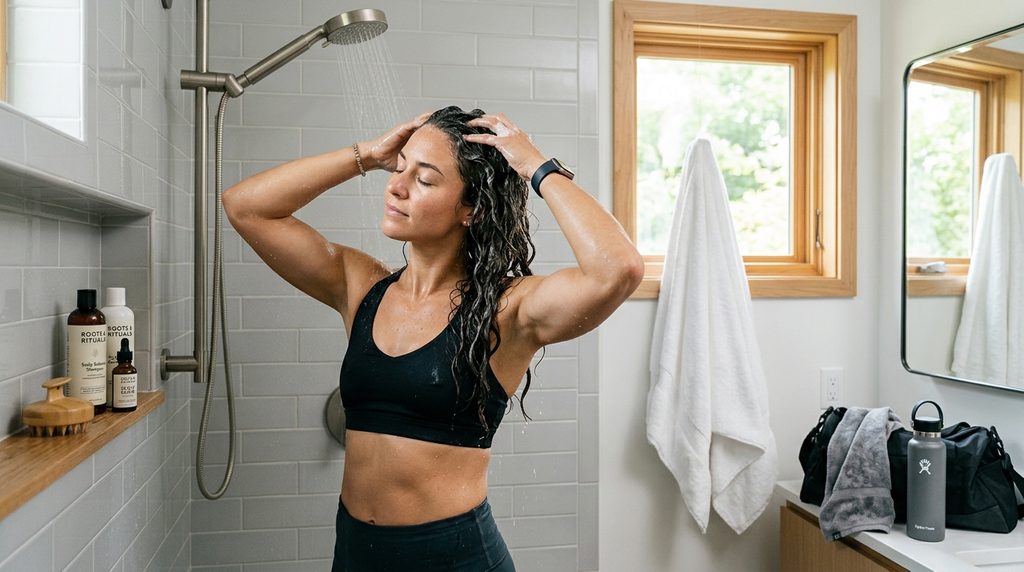
Rinse Your Hair After Sweaty Sessions
If you have completed an intense workout, rinsing your hair can help remove sweat and salt.
Shampoo When Needed
You do not always need strong shampoo daily. Use a gentle cleanser based on your hair type and activity level.
Condition Your Hair
Conditioner helps restore moisture and reduces dryness caused by frequent washing.
Focus conditioner mainly on:
- Hair lengths
- Ends
4. Protect Your Hair From Sun Damage
Outdoor athletes face another challenge: long-term sun exposure.
UV rays can affect the outer layer of hair and make it appear dry and dull.
To protect your hair:
- Wear a sports cap during long outdoor sessions
- Use hair products with UV protection
- Avoid unnecessary direct sun exposure after training
This is especially important for runners, football players, cyclists, and other outdoor athletes.

5. Take Extra Care If You Swim Regularly
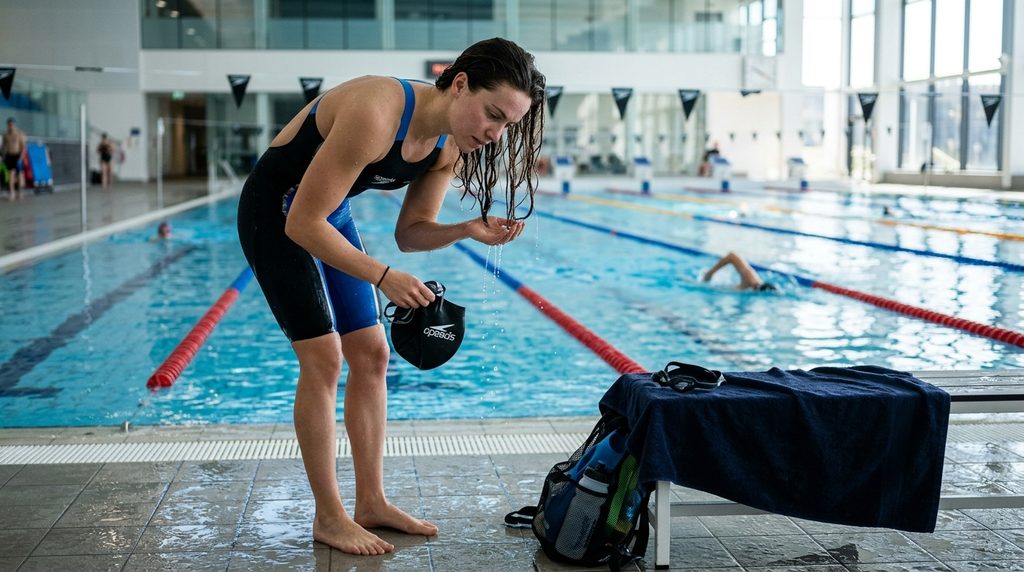
Swimming is excellent exercise, but chlorine can remove moisture from your hair.
Swimmers can protect their hair by following these steps:
Wet Hair Before Entering the Pool
Dry hair absorbs more water from the pool. Wetting your hair first can help reduce chlorine absorption.
Wear a Swim Cap
A quality swim cap provides an extra layer of protection.
Wash Hair After Swimming
Rinse your hair after leaving the pool to remove chlorine and chemicals.
Use Moisturizing Treatments
Regular conditioning treatments can help restore moisture after frequent swimming.
6. Avoid Heat Damage After Training
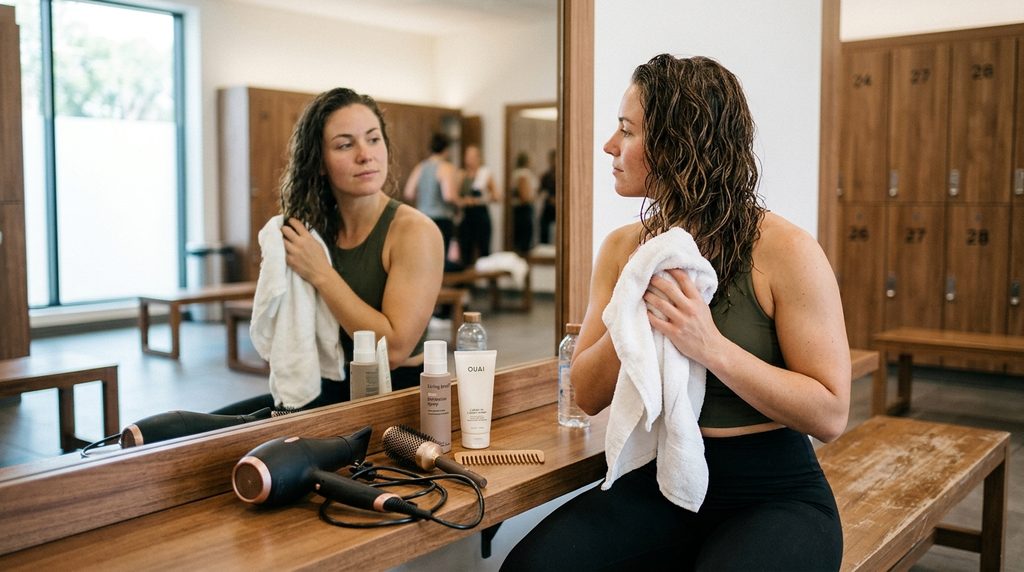
Many athletes use blow dryers or styling tools after workouts, especially when they need to get ready quickly.
Frequent heat styling can make already-stressed hair weaker.
Try these habits:
- Let hair air dry when possible
- Use lower heat settings
- Apply heat protection products
- Avoid daily straightening or curling
Reducing unnecessary heat exposure helps maintain stronger hair.
7. Maintain a Hair-Friendly Diet
Healthy hair starts from proper nutrition.
Athletes need enough nutrients to support both performance and hair health.

Important nutrients include:
Protein
Hair is mainly made from a protein called keratin.
Good sources include:
- Eggs
- Fish
- Chicken
- Beans
- Lentils
- Dairy products
Vitamins and Minerals
A balanced diet containing nutrients such as iron, zinc, vitamin D, and healthy fats supports overall hair health.
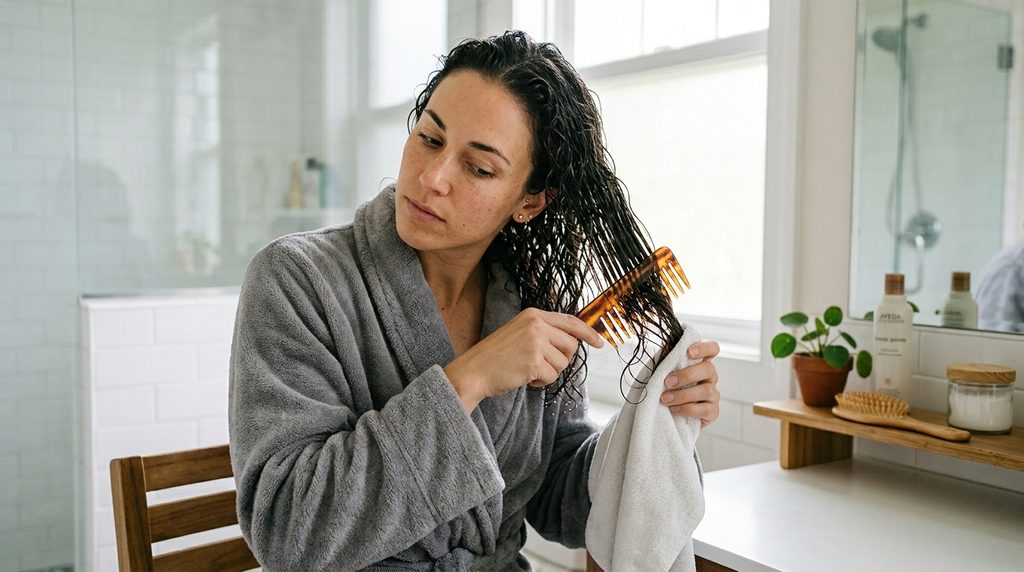
8. Be Gentle With Wet Hair
Wet hair is more fragile and easier to damage.
After washing:
Avoid:
- Rough towel drying
- Aggressive brushing
- Pulling tangled hair
Instead:
- Gently squeeze excess water
- Use a soft towel
- Detangle with a wide-tooth comb
Small changes can prevent unnecessary breakage.
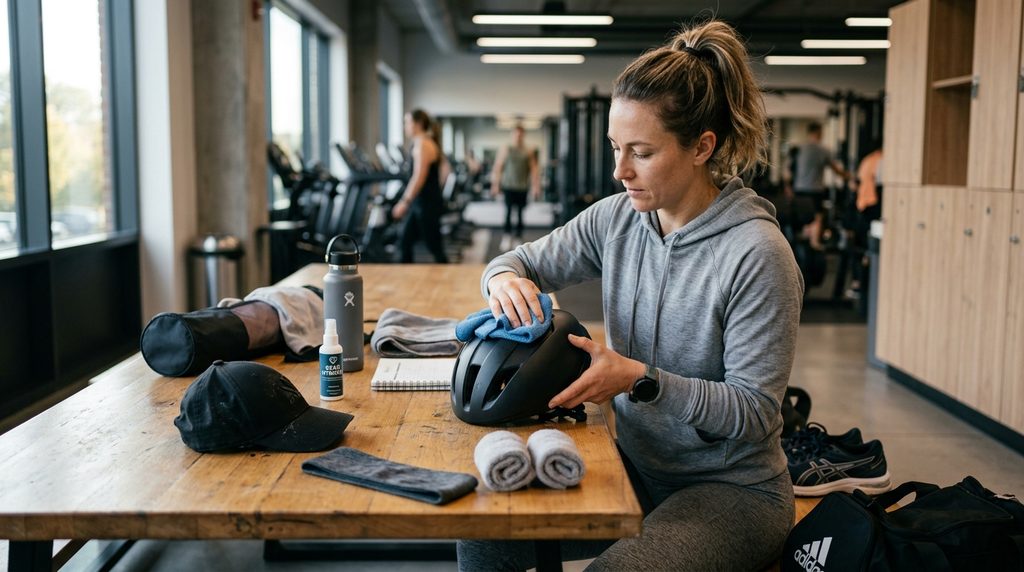
9. Keep Sports Accessories Clean
Your hair regularly touches sports equipment such as:
- Helmets
- Headbands
- Caps
- Sweatbands
These items can collect sweat and oil.
Clean your sports accessories regularly to reduce scalp irritation and maintain better hygiene.
Common Hair Care Mistakes Athletes Should Avoid
Washing With Very Hot Water
Hot water can remove natural oils and increase dryness.
Use lukewarm water instead.
Sleeping With Sweaty Hair
Try to clean your hair after intense workouts before going to bed.
Using Too Many Hair Products
Too many products can create buildup. Keep your routine simple and suitable for your hair type.
Ignoring Scalp Health
A healthy scalp is the foundation of healthy hair. Pay attention to dryness, irritation, or unusual changes.
Simple Daily Hair Care Routine for Athletes
Before Training
✔ Secure hair with gentle accessories
✔ Protect hair from sun when needed
✔ Apply lightweight protection if required
After Training
✔ Remove sweat and dirt
✔ Clean hair gently
✔ Condition regularly
✔ Dry hair carefully
Weekly
✔ Deep condition hair
✔ Clean sports accessories
✔ Trim damaged ends when needed
Final Thoughts
Daily sports training does not have to damage your hair. With the right habits, athletes can maintain healthy, strong, and attractive hair while staying committed to their fitness goals.
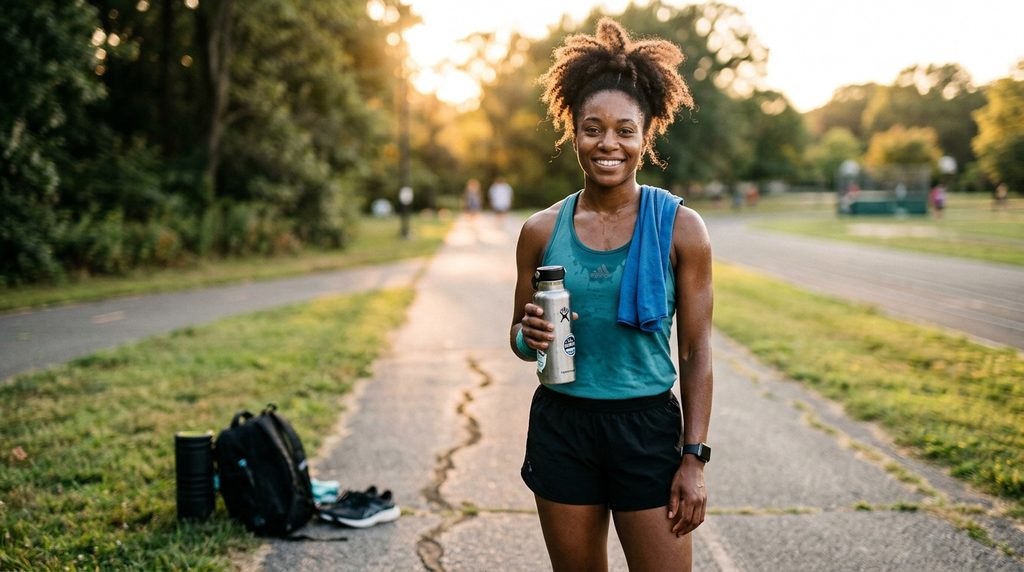
The key is simple: protect your hair before training, clean it properly afterward, avoid unnecessary stress, and provide regular moisture and care.
Healthy hair is possible even with an active lifestyle. A few consistent changes can help your hair stay strong, shiny, and ready for every challenge.

