
Football History, Rivalries, and Legendary Moments That Changed the Game
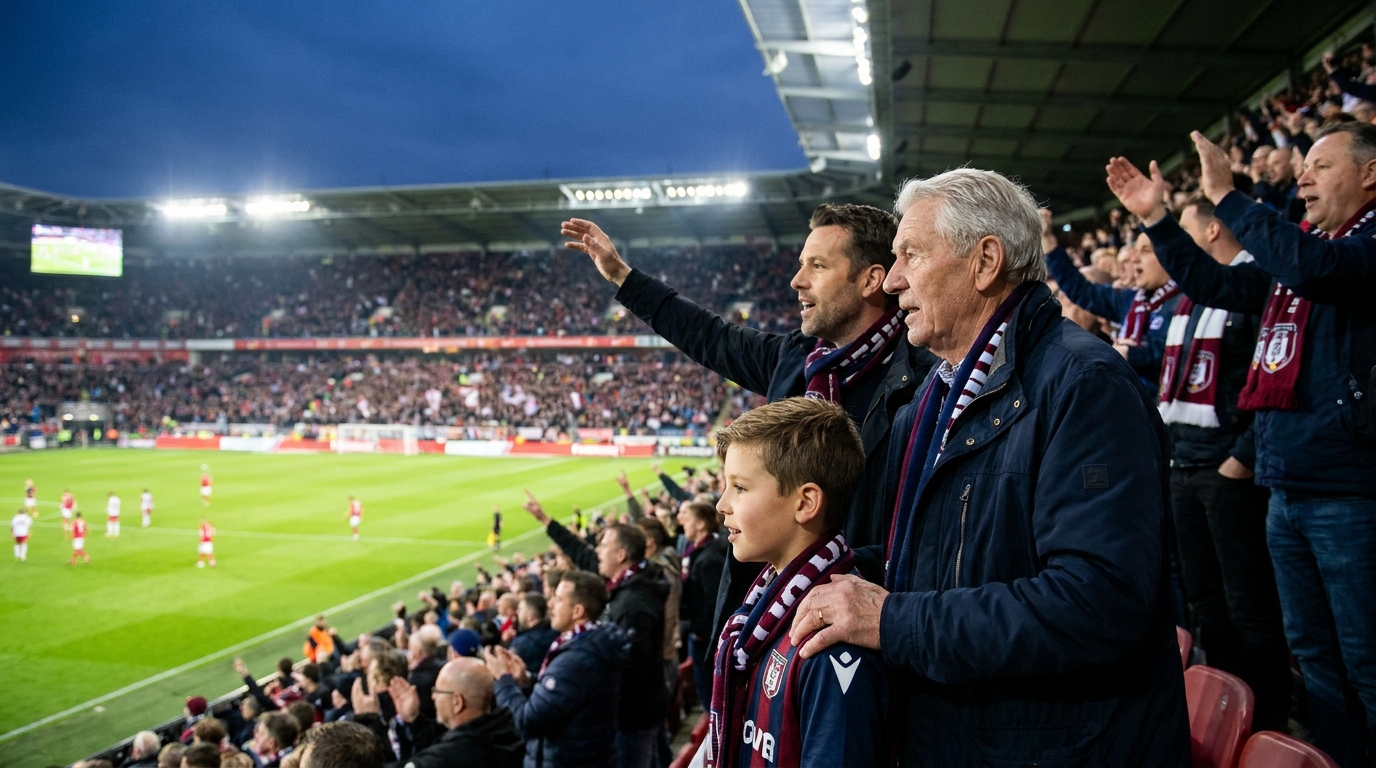
Football isn’t just about scoring goals or winning trophies. It’s about the unforgettable moments, fierce rivalries, legendary players, and passionate fans who have shaped the sport for generations.
Think about the excitement of a last-minute winning goal, the tension of a World Cup final, or the atmosphere when two historic rivals meet.
These are the moments that make football special.
From its early beginnings in England to becoming a worldwide phenomenon, football has developed a rich history filled with incredible stories.
If you love the beautiful game, exploring football history, rivalries, and legendary moments is one of the best ways to understand why millions of people care so deeply about it.
Let’s look at how football began, the rivalries that defined generations, and the unforgettable matches that changed the sport forever.
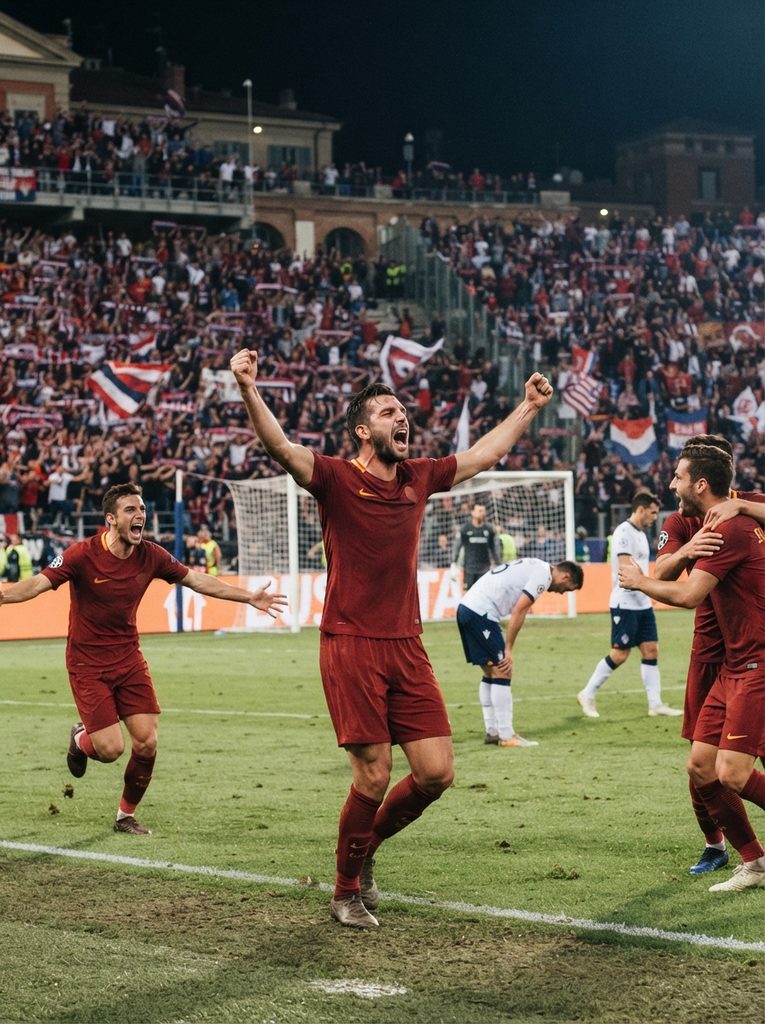
How Football Started: The Early History of the Game
Football has a much longer history than many people realize.
Ancient civilizations played different games involving kicking a ball, including the Chinese game known as cuju.
However, modern association football developed in Britain during the nineteenth century.
At the time, different schools and clubs followed different rules.
Some versions allowed players to carry the ball, while others focused on kicking.
This made organized competition difficult.
A major turning point came in 1863, when the Football Association was founded in England.
The organization helped establish standardized rules for association football, separating it from versions of the game that eventually developed into rugby.
As clubs began following similar rules, organized football grew rapidly.
Competitions attracted more players and supporters, and the game gradually spread beyond Britain.
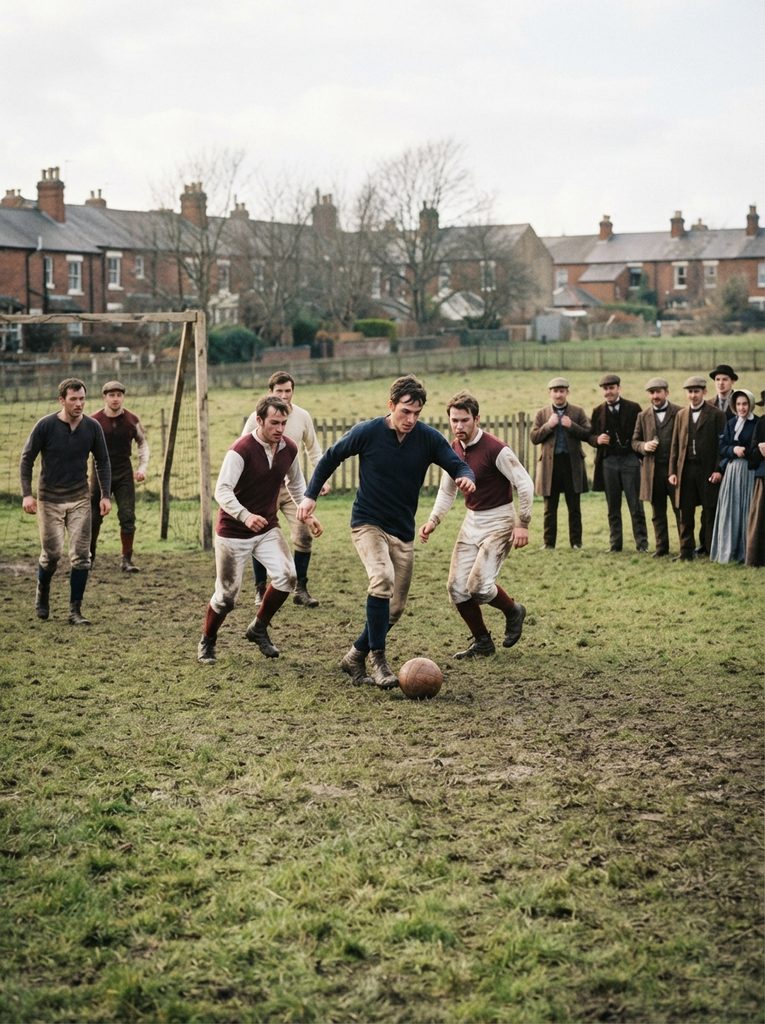
The First International Football Match
One of the earliest milestones in football history came in 1872.
England and Scotland played the first officially recognized international association football match.
The game took place in Glasgow and ended in a 0–0 draw.
Although neither team scored, the match represented an important development.
Football was becoming a sport that countries could compete in, not just individual clubs.
Over the following decades, international matches became more common.
National football associations formed, and organized competitions began attracting wider audiences.
In 1904, FIFA was established to help govern international football.
This created the foundation for a tournament that would eventually become one of the world’s most famous sporting events.
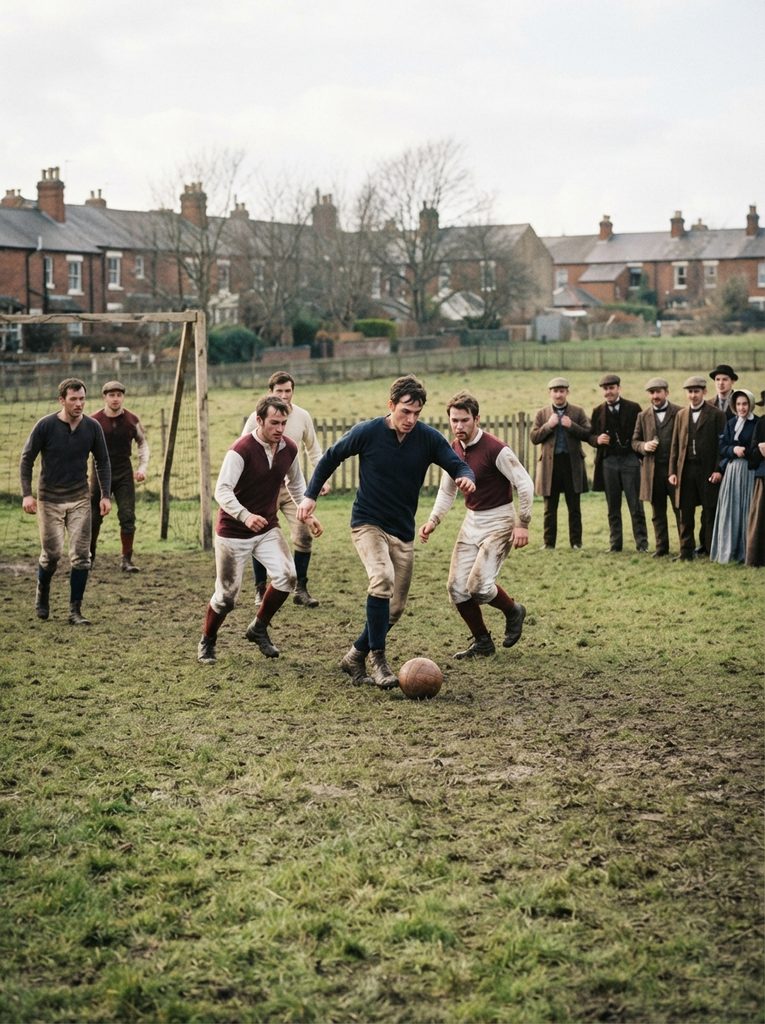
How the FIFA World Cup Changed Football Forever
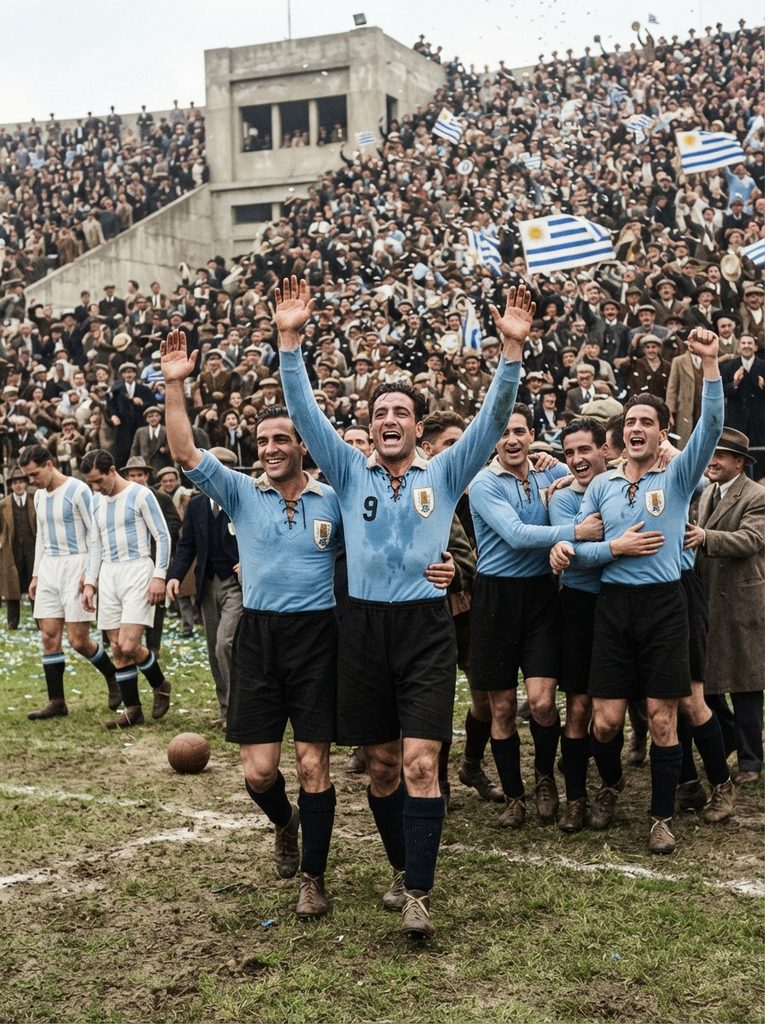
The first men’s FIFA World Cup was held in Uruguay in 1930.
Thirteen teams participated in the tournament.
Uruguay defeated Argentina 4–2 in the final and became the first World Cup champion.
The competition continued to grow in importance over the following decades.
It introduced supporters to new footballing nations, playing styles, and extraordinary talents.
Brazil became famous for its attacking flair.
Italy developed a reputation for tactical organization.
Germany built a history of resilience and tournament success.
Argentina produced some of the sport’s most celebrated creative players.
The World Cup also gave smaller footballing nations opportunities to challenge established powers.
For supporters, the tournament became about more than individual matches.
It became a celebration of national identity, sporting achievement, and shared excitement.
Why Football Became the World’s Most Popular Sport
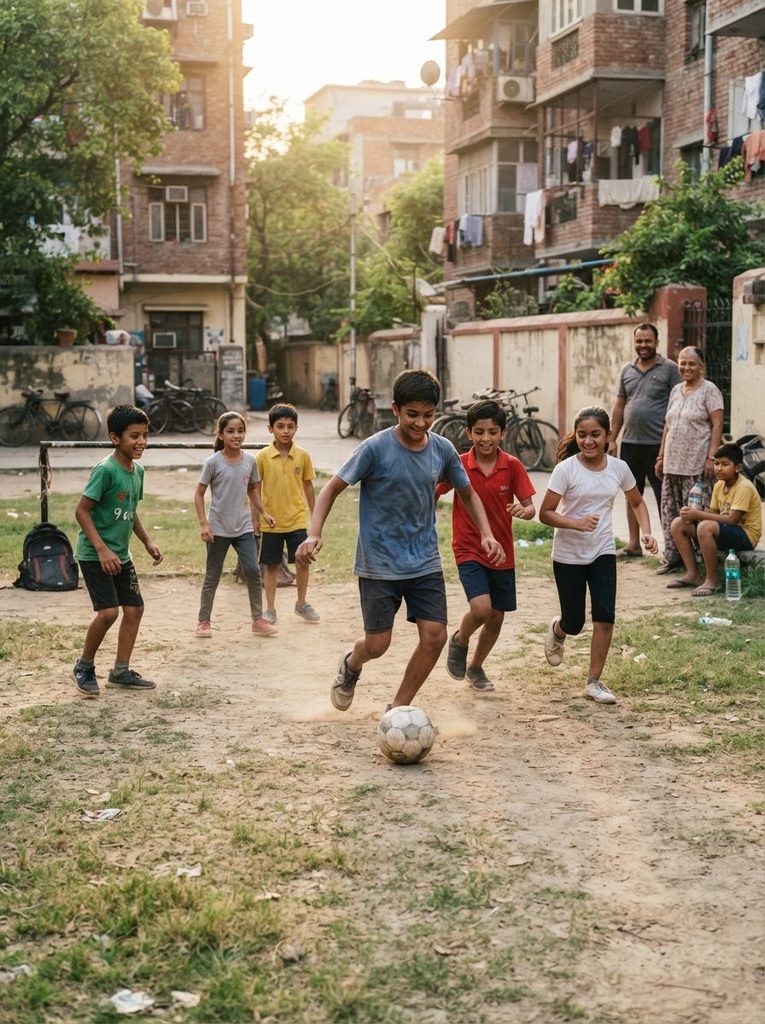
One reason football spread so successfully is its simplicity.
You don’t need expensive equipment or a professional field to enjoy the game.
A ball and a little open space can be enough.
Children can play in streets, parks, schoolyards, and local grounds.
That accessibility helped football become part of everyday life in communities around the world.
Professional clubs also developed strong connections with their supporters.
Families passed down their loyalty from one generation to another.
Local rivalries became traditions.
Later, radio and television allowed people to follow major matches from far away.
Today, streaming services, social media, and international broadcasts connect supporters across continents.
Football has become a global language, even when fans don’t speak the same words.
The Greatest Rivalries in Football History
Some football matches are special because of what’s at stake in the league table.
Others matter because of decades of history.
Football rivalries can develop through geography, competition for trophies, cultural differences, or memorable encounters.
These are some of the most famous rivalries in the sport.
1. Real Madrid vs. Barcelona: El Clásico
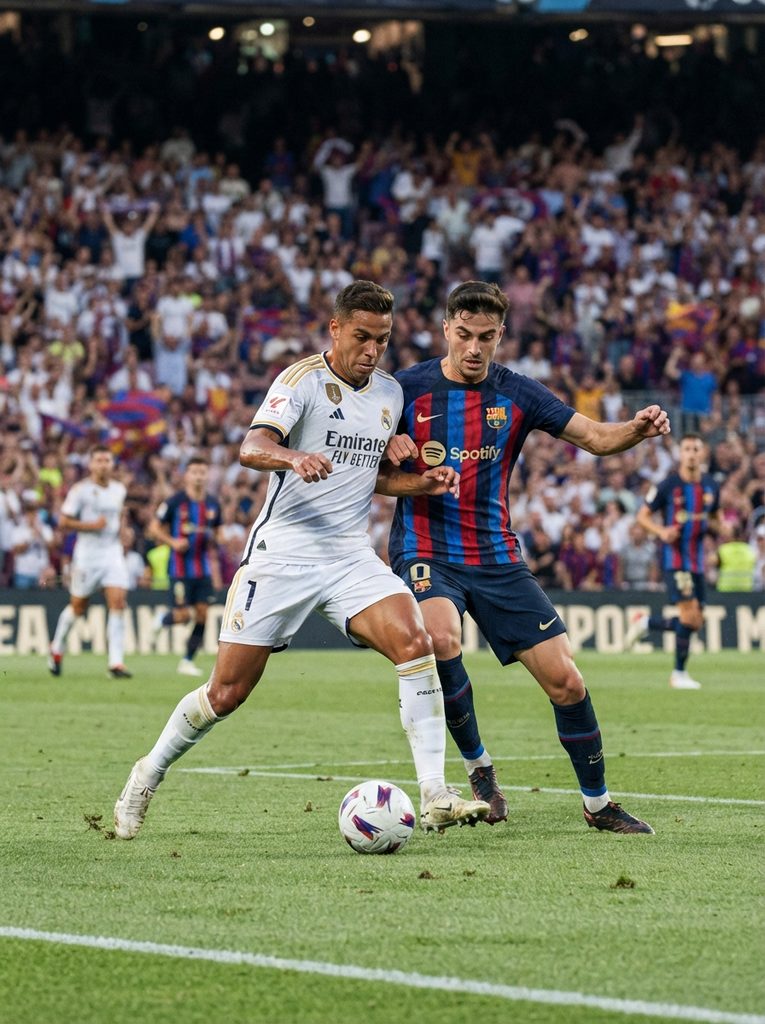
Few football rivalries are as internationally recognized as Real Madrid versus Barcelona.
Known as El Clásico, this fixture brings together two of Spain’s most successful clubs.
Both teams have spent decades competing for domestic and European trophies.
The rivalry also carries cultural and historical significance connected to Spain and Catalonia.
Over the years, legendary players have made these matches unforgettable.
Alfredo Di Stéfano, Johan Cruyff, Ronaldinho, Lionel Messi, and Cristiano Ronaldo are among the stars associated with this rivalry.
The Messi-Ronaldo era attracted particular attention.
Their extraordinary goal-scoring performances added another dimension to an already intense competition.
For many supporters, El Clásico represents football at its most competitive.
2. Manchester United vs. Liverpool: A Historic English Rivalry
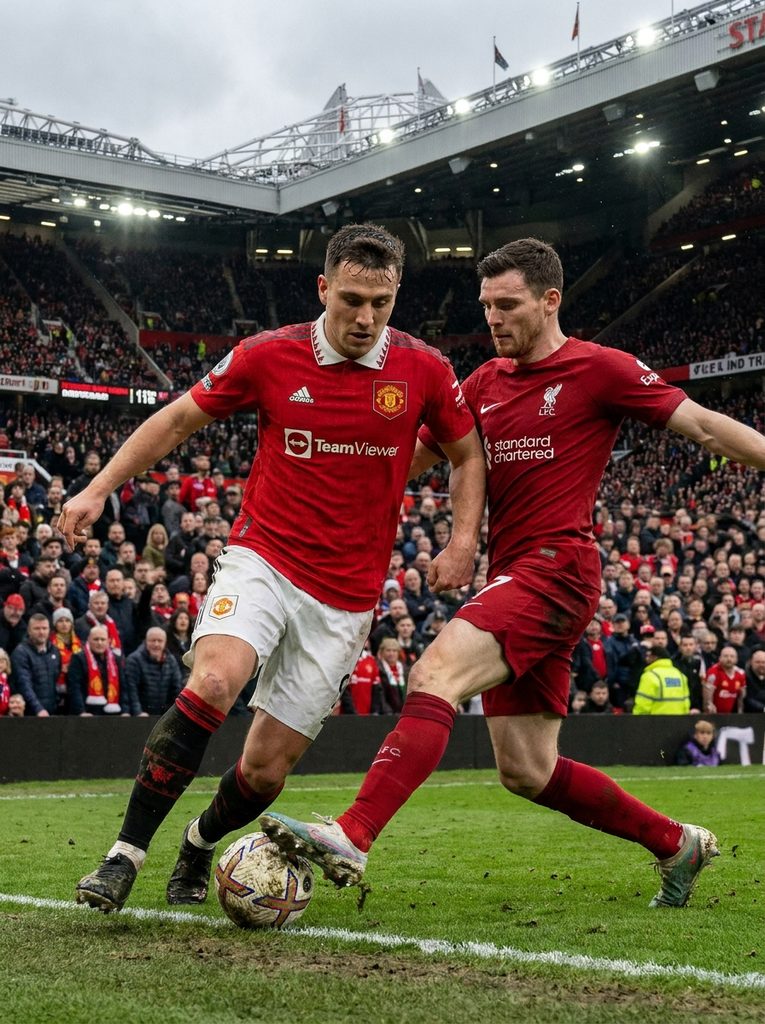
Manchester United and Liverpool share one of the most famous rivalries in English football.
Both clubs have enjoyed long periods of domestic and European success.
Their competition is also connected to the historic relationship between the cities of Manchester and Liverpool.
Matches between the teams regularly attract enormous attention.
Even when one club is having a difficult season, the fixture remains important.
Supporters remember dramatic goals, controversial decisions, and memorable victories.
The rivalry has continued through different generations of players and managers.
That history is what makes every meeting feel significant.
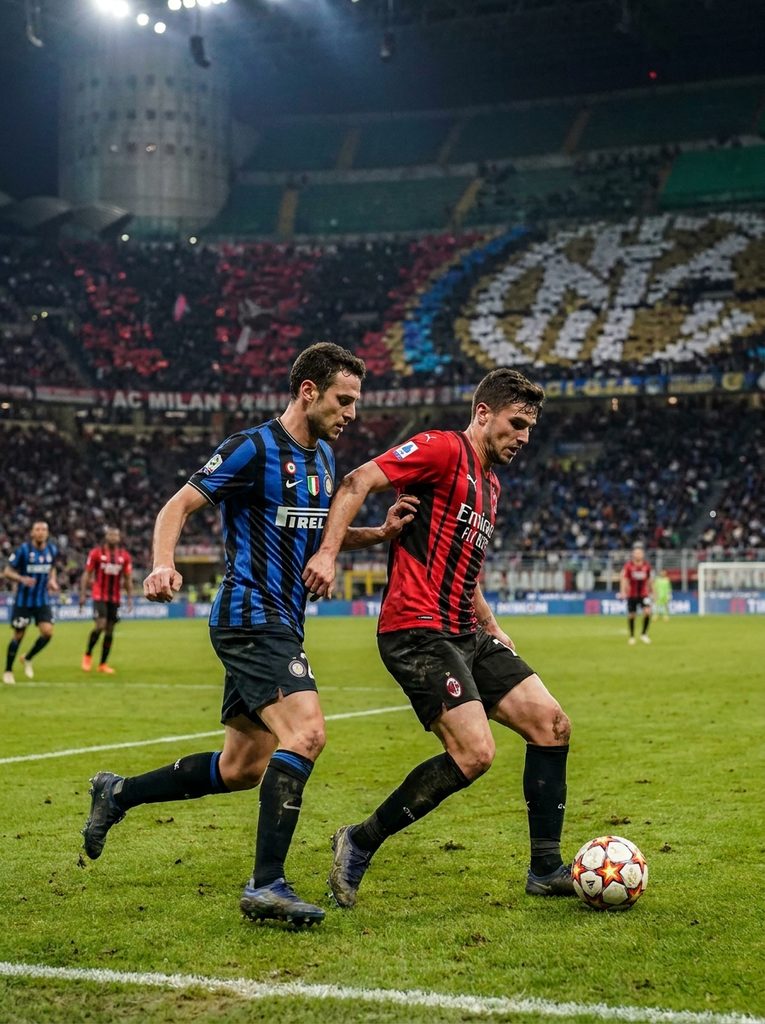
3. AC Milan vs. Inter Milan: The Milan Derby
The Derby della Madonnina is one of Italian football’s most recognizable fixtures.
It takes place between AC Milan and Inter Milan.
Both clubs have long histories of success and have shared the San Siro stadium.
This creates a unique atmosphere when they face each other.
The stadium becomes a showcase for elaborate supporter displays, passionate singing, and intense competition.
The clubs have also faced each other in important European matches.
For fans in Milan, the derby is about local pride as much as footballing success.
4. Boca Juniors vs. River Plate: Argentina’s Superclásico
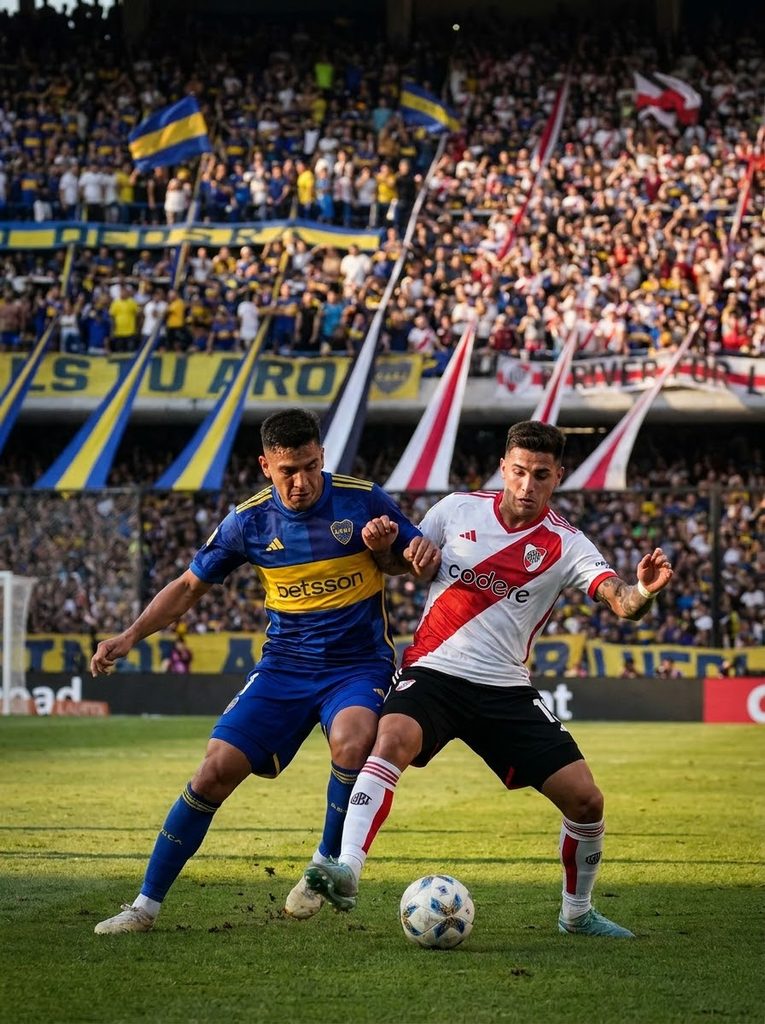
Few rivalries are associated with as much passion as Boca Juniors versus River Plate.
Both clubs are based in Buenos Aires, Argentina.
Their matches are known as the Superclásico.
The rivalry has developed through decades of domestic competition and deeply rooted supporter traditions.
The atmosphere is famous for its noise, colorful displays, and emotional intensity.
One particularly memorable chapter came in 2018.
River Plate defeated Boca Juniors in the Copa Libertadores final.
The decisive second leg was played in Madrid after the original arrangements in Buenos Aires were disrupted by violence.
The final remains one of the most significant meetings in the rivalry’s history.
5. Argentina vs. Brazil: A Rivalry Between Football Giants
International football has its own historic rivalries.
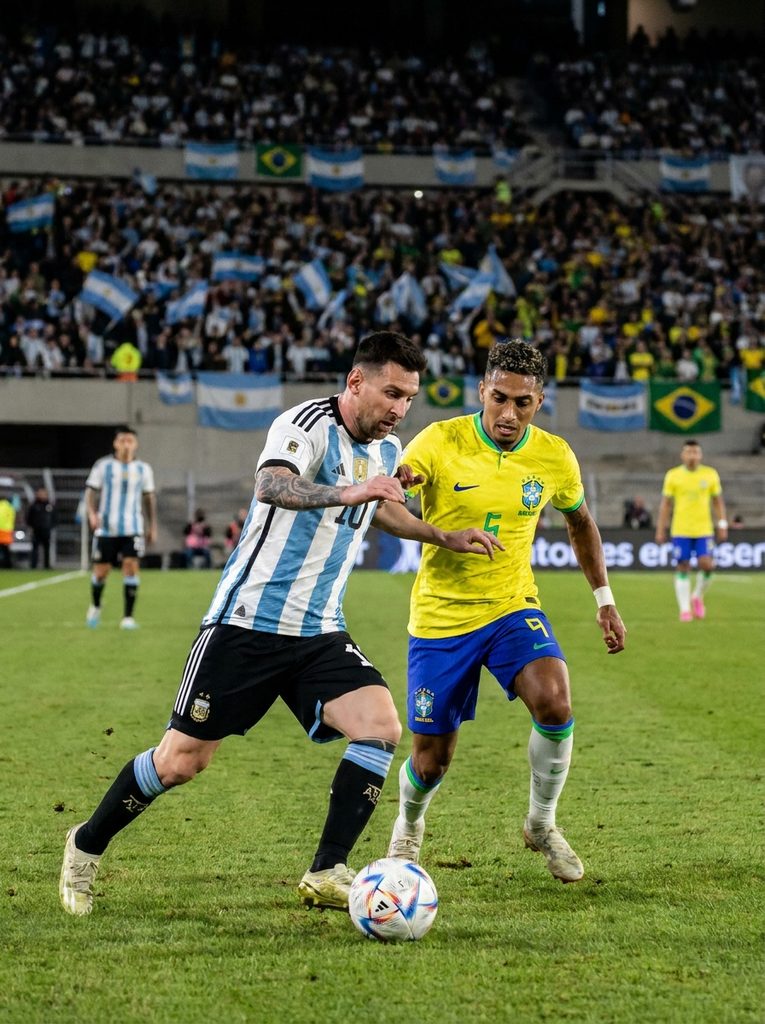
Argentina versus Brazil is one of the most celebrated.
Both countries have produced extraordinary players and enjoyed major international success.
Brazil is associated with Pelé, Ronaldo Nazário, Ronaldinho, and many other stars.
Argentina has produced Diego Maradona, Lionel Messi, and generations of talented footballers.
Their meetings often carry enormous expectations.
Whether in World Cup qualifying, Copa América, or other competitions, matches between Argentina and Brazil attract worldwide attention.
The rivalry represents two rich footballing traditions with different identities and shared ambitions.
Legendary Football Moments That Fans Still Talk About
Some matches are remembered for years.
Others become part of football history.
These legendary moments stand out because of their drama, significance, and lasting influence.
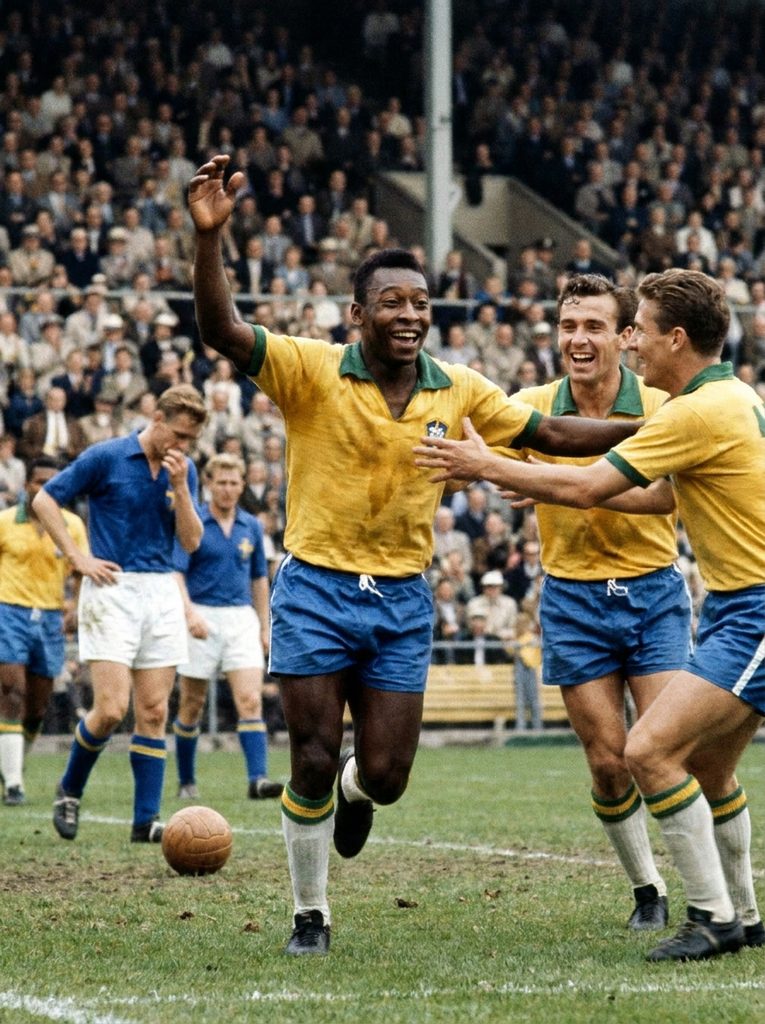
Pelé’s Breakthrough at the 1958 World Cup
Pelé was just 17 years old when he helped Brazil win the 1958 World Cup.
His performances introduced the world to a remarkable young player.
He scored twice in the final against Sweden as Brazil won 5–2.
Pelé later helped Brazil win the World Cup in 1962 and 1970.
He remains the only male footballer to have won three FIFA World Cups.
His achievements made him a global sporting icon and helped inspire generations of young players.
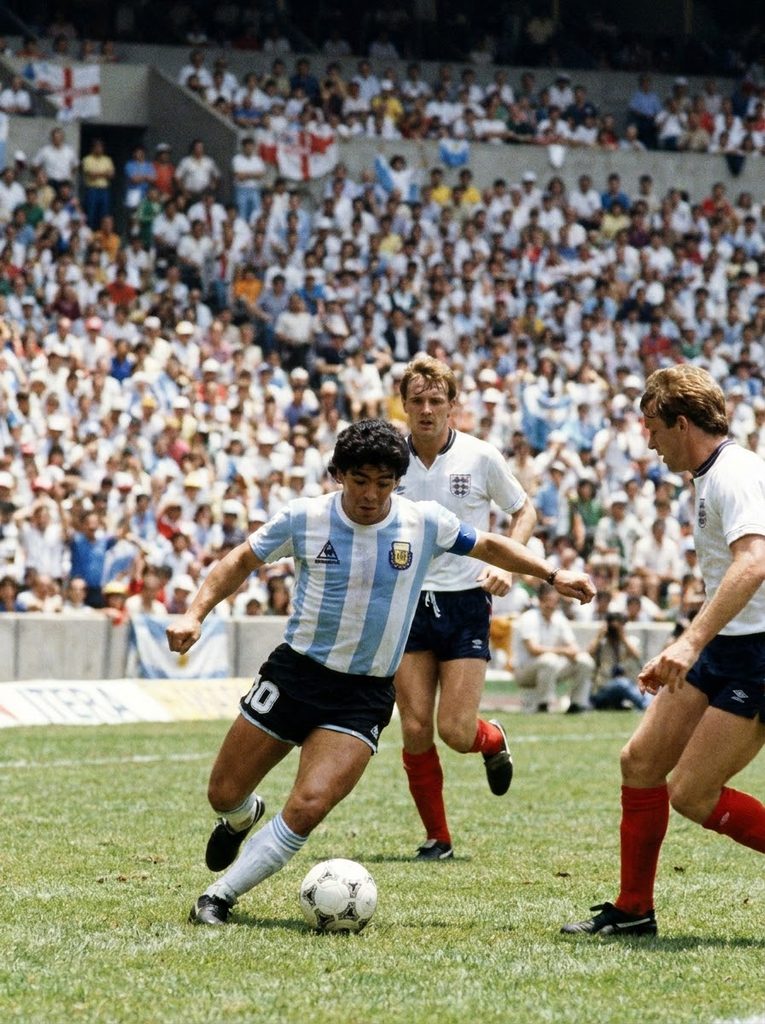
Diego Maradona’s Unforgettable 1986 World Cup
Diego Maradona produced one of the most famous individual World Cup performances in 1986.
His quarterfinal against England became legendary for two very different goals.
The first, known as the “Hand of God,” involved Maradona using his hand to score without the referee spotting the infringement.
The second was a remarkable solo run through England’s defense.
Maradona carried the ball past several opponents before finishing.
Argentina won the match 2–1 and eventually became world champions.
The performance remains one of the most discussed moments in football history.
Manchester United’s Incredible 1999 Champions League Final
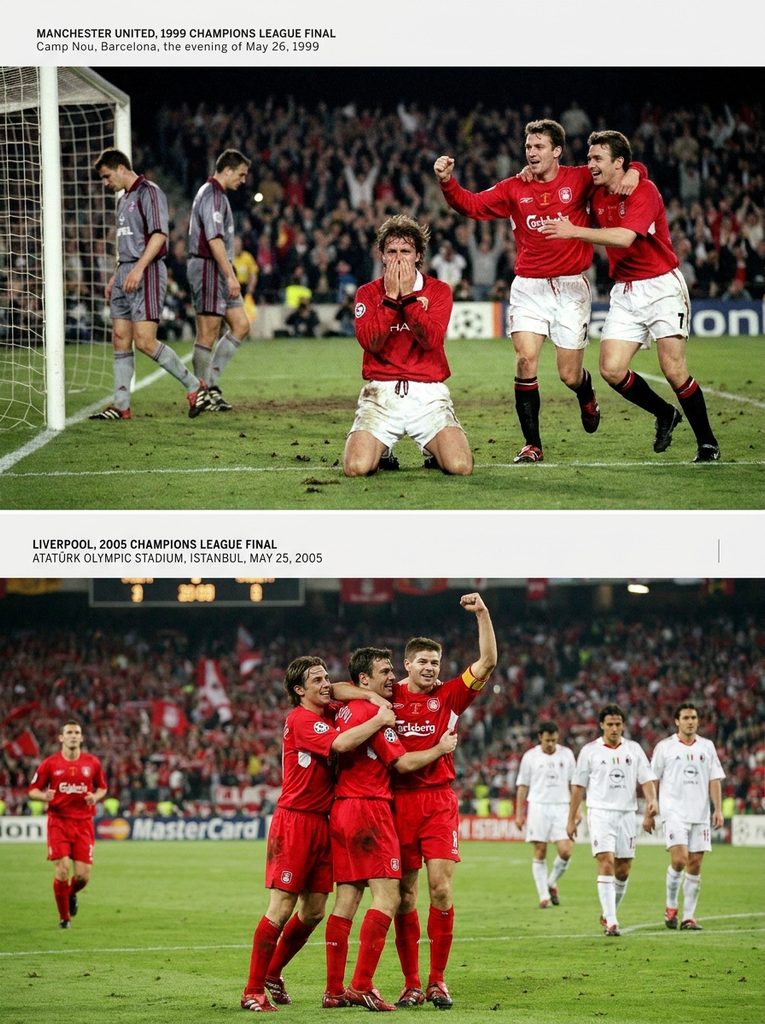
The 1999 Champions League final between Manchester United and Bayern Munich delivered an extraordinary ending.
Bayern took an early lead and remained ahead as the match entered stoppage time.
Manchester United seemed close to defeat.
Then Teddy Sheringham scored an equalizer.
Shortly afterward, Ole Gunnar Solskjær scored the winner.
Manchester United won 2–1.
The victory completed a historic treble, with the club winning the Premier League, FA Cup, and Champions League in the same season.
It remains one of football’s most famous last-minute comebacks.
Liverpool’s Miracle of Istanbul in 2005
The 2005 Champions League final between Liverpool and AC Milan is remembered for an astonishing comeback.
Milan led 3–0 at halftime.
Liverpool appeared to have little chance of winning.
But in the second half, Liverpool scored three goals to level the match.
The score remained 3–3 through extra time.
Liverpool then won the penalty shootout.
The comeback became known as the “Miracle of Istanbul.”
It remains a reminder that football matches can change dramatically in just a few minutes.
Leicester City’s Unbelievable Premier League Title
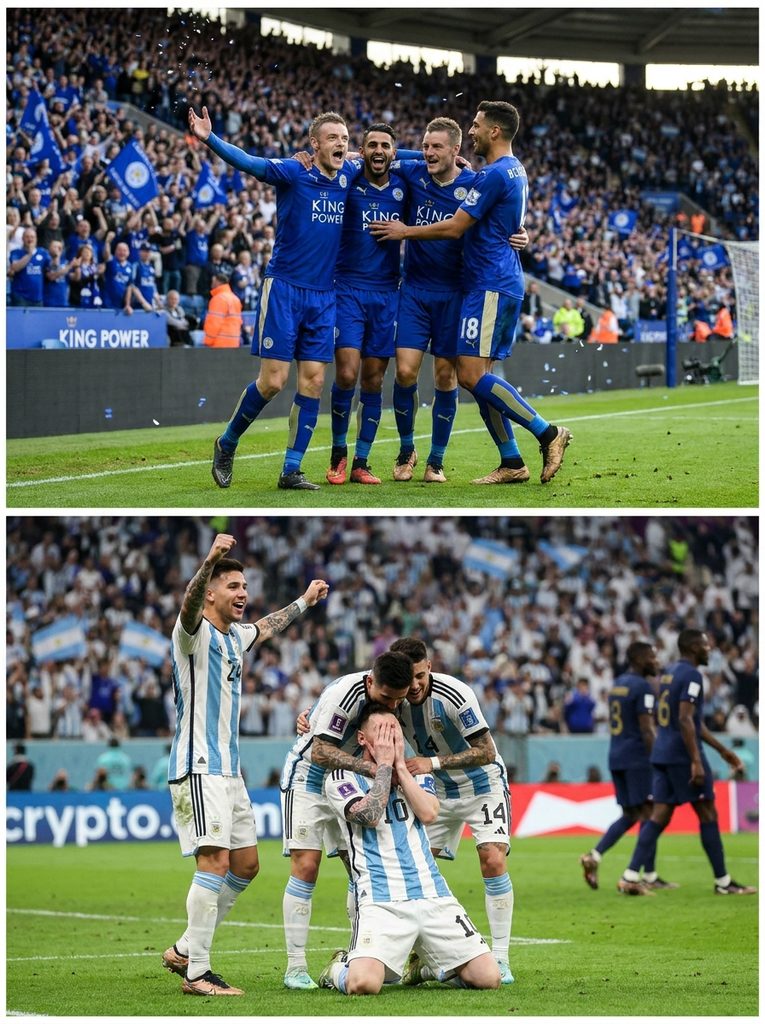
In the 2015–16 season, Leicester City achieved one of English football’s greatest surprises.
The club had narrowly escaped relegation the previous season.
Few expected Leicester to challenge for the Premier League title.
But under manager Claudio Ranieri, the team produced an extraordinary campaign.
Jamie Vardy, Riyad Mahrez, N’Golo Kanté, and their teammates played important roles.
Leicester finished the season as champions.
Their success became one of football’s most inspiring underdog stories.
It showed that even in a highly competitive league, unexpected achievements are possible.
Argentina’s Dramatic 2022 World Cup Final
The 2022 World Cup final between Argentina and France delivered unforgettable drama.
Argentina led 2–0 before Kylian Mbappé scored twice to bring France level.
During extra time, Lionel Messi scored again.
Mbappé completed his hat-trick, making the score 3–3.
The match went to penalties.
Argentina won the shootout 4–2 and claimed the World Cup.
For Messi, it was a defining achievement in an extraordinary career.
For football supporters, the final was a reminder of how unpredictable and emotional the sport can be.
Legendary Football Players Who Changed the Game
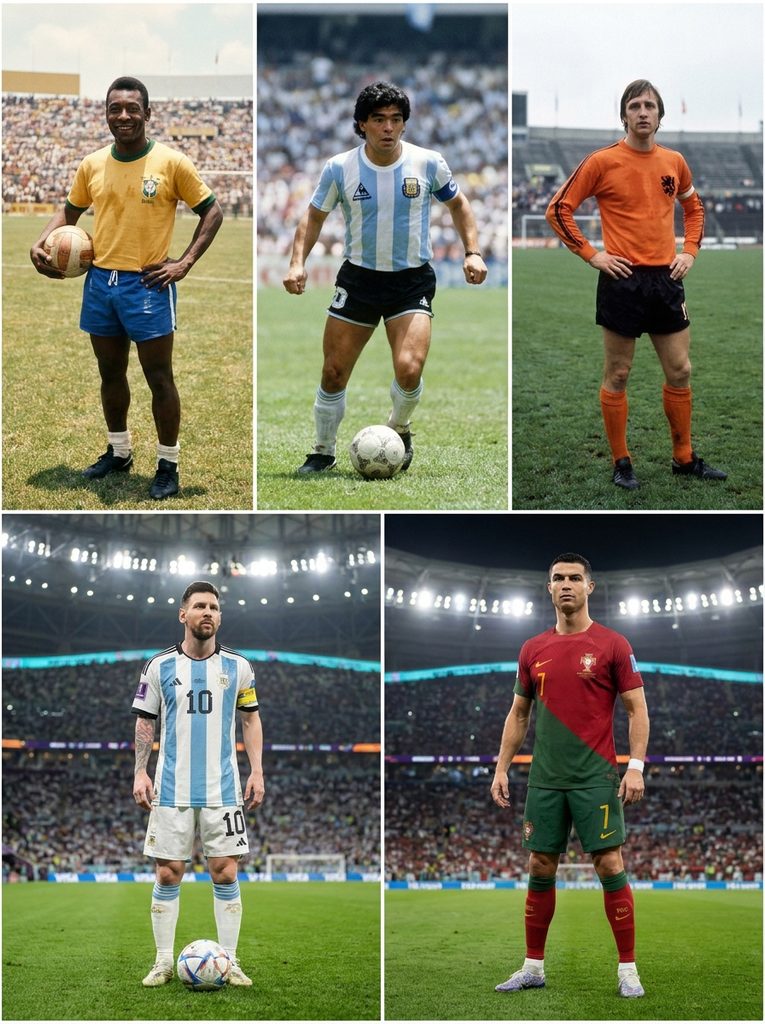
Football’s greatest moments are often connected to players whose influence extends far beyond individual matches.
Pelé: The Global Football Icon
Pelé helped bring worldwide attention to Brazilian football.
His creativity, finishing ability, and World Cup achievements made him one of the most influential players in history.
Diego Maradona: The Extraordinary Playmaker
Maradona was famous for his close control, dribbling, and ability to create opportunities in difficult situations.
His performances for Argentina and Napoli made him a legendary figure.
Johan Cruyff: The Football Thinker
Johan Cruyff helped popularize the ideas associated with Total Football.
His influence as both a player and coach shaped generations of football tactics.
Lionel Messi: The Creative Genius
Messi is celebrated for his exceptional dribbling, vision, passing, and goal-scoring.
His achievements with Barcelona and Argentina established him as one of football’s defining figures.
Cristiano Ronaldo: The Remarkable Goalscorer
Cristiano Ronaldo became famous for his athleticism, finishing, and consistency.
His success across major European clubs and with Portugal has made him one of the sport’s most recognizable players.
Final Thoughts
Football history is filled with stories that go far beyond the final score.
From the development of modern rules to the growth of international tournaments, the sport has constantly evolved.
Historic rivalries have created traditions that connect generations of supporters.
Legendary players have inspired millions, while unforgettable matches have shown just how dramatic and unpredictable football can be.
Whether you remember Pelé’s achievements, Maradona’s brilliance, Liverpool’s incredible comeback, or Argentina’s 2022 World Cup triumph, these moments are part of what makes football special.
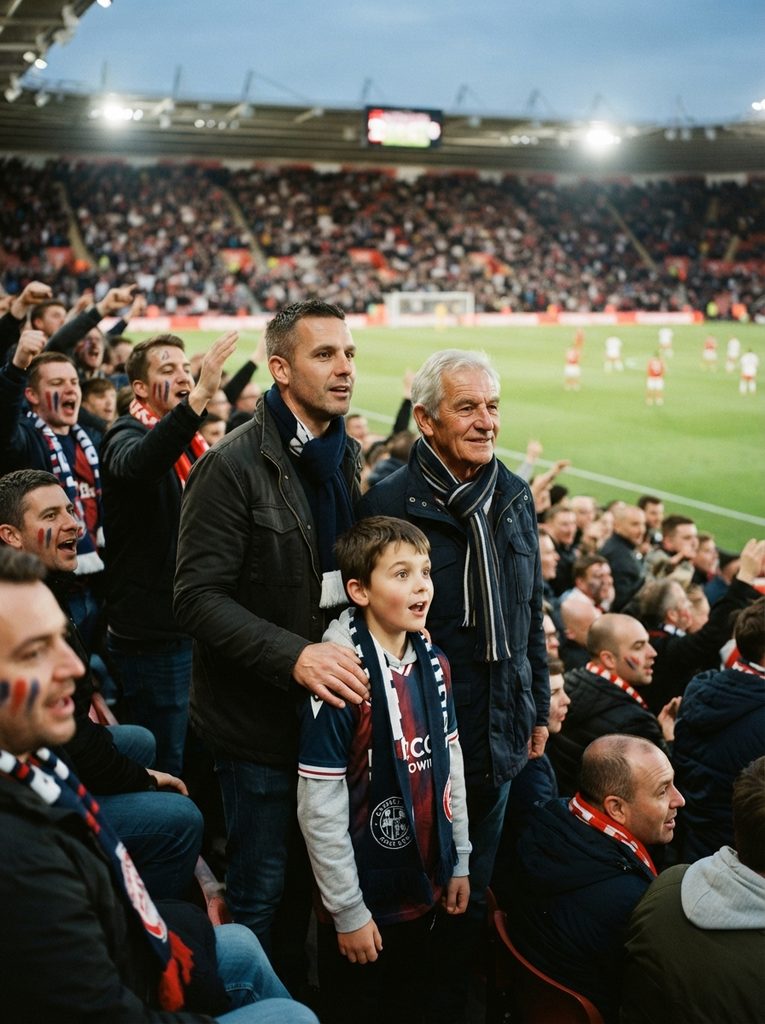
And with every new season, another chapter of football history is waiting to be written.
That’s the beauty of the game.